
We're joining you on a culinary journey through the vibrant flavors of India. Our warm and inviting hospitality promise to make your dining experience memorable.
Order OnlineAt Dhillon Indian Cuisine we invite you on a culinary journey through the vibrant flavors of India. Situated in the heart of 4/400 tambourine oxenford Rd upper Coomera, our restaurant offers an authentic taste of India with a contemporary twist. From traditional favorites to innovative dishes, we strive to deliver an unforgettable dining experience for our guests.
Dhillon Indian Cuisine is more than just a restaurant; it's a labor of love rooted in the rich culinary heritage of India. Founded by the Dhillon family, our establishment brings together generations of passion for cooking and sharing delicious meals with others. With a commitment to quality and authenticity, we have crafted a menu that showcases the diverse flavors and spices of Indian cuisine.
Order Now

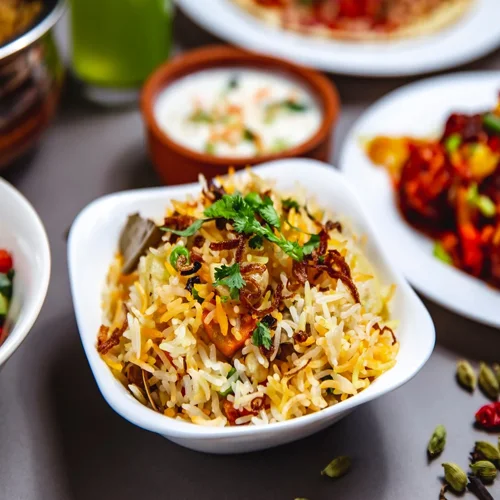


At Dhillon Indian Cuisine, we are dedicated to providing exceptional service and hospitality to our guests. Whether you're joining us for a casual lunch, a family dinner, or a special celebration, we promise to make your dining experience memorable.
Visit Now
At Dhillon Indian Cuisine, we are dedicated to providing exceptional service and hospitality to our guests. Whether you're joining us for a casual lunch, a family dinner, or a special celebration, we promise to make your dining experience memorable. Our delicious food and attentive staff sets the stage for an unforgettable atmosphere.
We invite you to discover the true taste of India at Dhillon Indian Cuisine. Join us for an unforgettable dining experience filled with exquisite flavors, warm hospitality, and the vibrant spirit of Indian culture. Reservations are recommended, so book your table today and embark on a culinary adventure with us. We look forward to serving you soon!
Tuesday Closed
10.30am to 1.30pm
(Except Sundays)
4.30pm to 9.30pm
(Wed to Mon)